my cart (0)

 February 12, 2026
  admin
admin  0 Comment
 A good night’s sleep is essential for memory, mood, immunity, and overall health. Yet many adults struggle to fall asleep, stay asleep, or wake up feeling unrefreshed. If you’re tired of tossing and turning, this guide walks you through simple habits, bedroom adjustments, and evidence-based strategies that can improve your sleep. It also explains when insomnia medication, such as Ambien (zolpidem), may be considered under medical guidance.
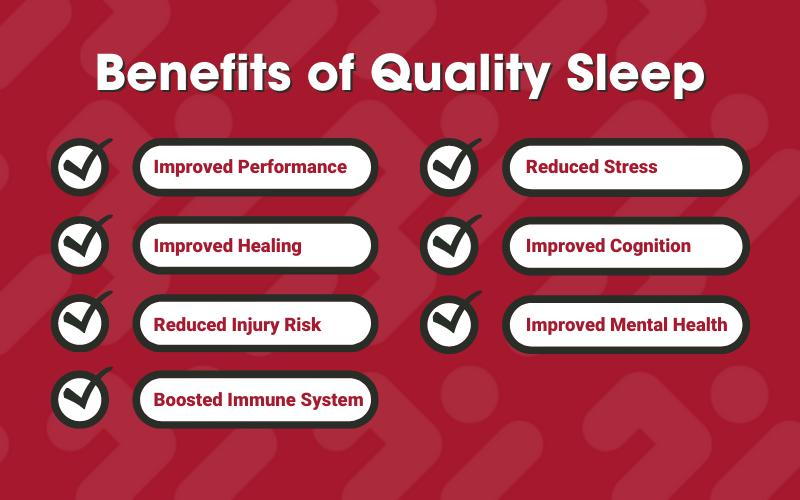
Poor sleep is linked to brain fog, irritability, weight gain, high blood pressure, and reduced productivity. Consistently sleeping 7–9 hours with good sleep quality helps restore energy, regulate hormones, strengthen immunity, and improve mood and stress resilience.
If sleep problems last for weeks, you may be dealing with insomnia, a common condition that often improves with the right routine and support.
Your body follows a circadian rhythm. Going to bed and waking up at the same time every day trains your brain to feel sleepy at the right hour.
Try this:
Your environment strongly influences how quickly you fall asleep.
Phones and TVs emit blue light that suppresses melatonin (the sleep hormone).
A predictable wind-down routine signals your brain that it’s time to sleep.
Natural light in the morning and light exercise during the day help regulate your body clock.
If your mind is busy at night:
You may have insomnia if you:
At this point, lifestyle changes help, but medical guidance can also be useful.
For short-term or severe insomnia, doctors may prescribe zolpidem (brand name: Ambien) to help initiate sleep. It works by calming brain activity to make falling asleep easier.
Important points:
Some patients fill their valid prescriptions through licensed online pharmacies for convenience. Searches like “Ambien online” usually refer to obtaining prescribed medication through legitimate, regulated services.
Better sleep is built from small, consistent habits. Start with your schedule and bedroom setup, add a calming routine, and manage light and caffeine. If insomnia continues, speak with a healthcare professional about options, which may include short-term medication like Ambien as part of a broader plan.
Quality sleep is a foundation for a healthier, happier life.