-
 July 9, 2025
-
 admin
admin
-
 0 Comment
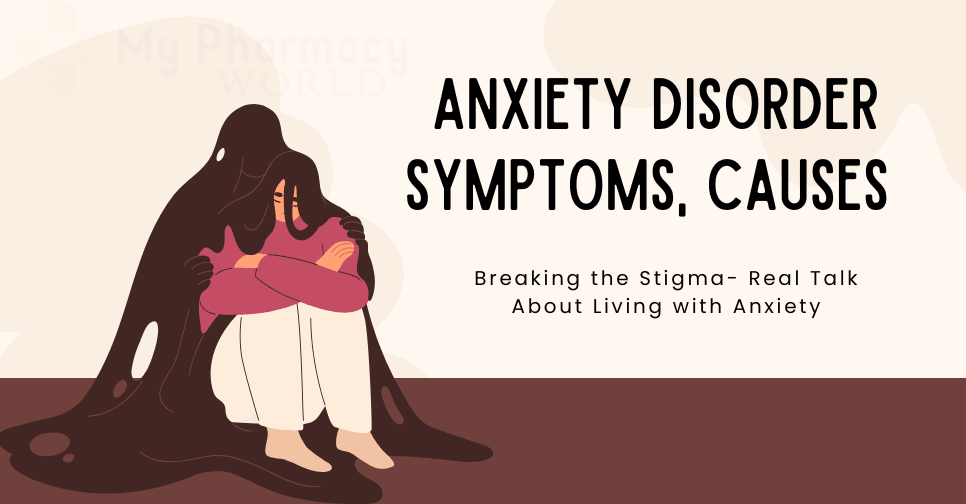
Anxiety Disorder in 2025 Symptoms, Causes & Latest Treatments
Hyperconnected world, anxiety is no longer a rare condition it’s a common companion for many. But when that anxiety becomes persistent, overwhelming, and interferes with daily life, it moves beyond ordinary stress into a medical condition known as an anxiety disorder. In 2025, anxiety disorders affect more people than ever, fueled by global uncertainty, digital overwhelm, and lifestyle changes. Understanding this mental health issue is the first step toward healing. This article offers an in-depth look at anxiety disorder, its symptoms, causes, modern treatments, and tips to reclaim mental peace.
Types of Anxiety Disorders
Anxiety disorders are a category of mental health conditions characterized by excessive fear or worry. They come in various forms, including:
- Generalized Anxiety Disorder (GAD): Chronic, exaggerated worry about everyday life. People with GAD find it difficult to control their worry and often anticipate disaster.
- Panic Disorder: Involves sudden, intense bouts of fear called panic attacks. Symptoms include heart palpitations, sweating, and a feeling of choking or impending doom.
- Social Anxiety Disorder: An intense fear of social or performance situations. Individuals may avoid public speaking, social interactions, or even eating in front of others.
- Specific Phobias: Intense, irrational fear of specific objects or situations like heights, flying, or spiders.
- Obsessive-Compulsive Disorder (OCD): Characterized by unwanted repetitive thoughts (obsessions) and behaviors (compulsions).
- Post-Traumatic Stress Disorder (PTSD): Triggered by traumatic events, PTSD involves flashbacks, nightmares, and severe anxiety.
Recognizing the specific type is essential for selecting the most effective treatment.
Common Symptoms of Anxiety
Although symptoms vary depending on the type, many signs overlap. These include:
Emotional Symptoms:
- Persistent worry or fear
- Feelings of restlessness or being “on edge”
- Difficulty concentrating
- Irritability
Physical Symptoms:
- Fatigue
- Muscle tension
- Headaches
- Insomnia
- Upset stomach
- Rapid heartbeat or shortness of breath
Behavioral Symptoms:
- Avoiding feared situations
- Reassurance seeking
- Compulsive behaviors (in OCD)
These symptoms can affect your job performance, relationships, and overall well-being if left untreated.
Major Causes and Risk Factors
Anxiety disorders can arise from a mix of biological, psychological, and environmental factors:
- Genetics: Anxiety often runs in families. If a close relative has it, you may be at higher risk.
- Brain Chemistry: Imbalances in neurotransmitters like serotonin, dopamine, and GABA contribute to anxiety.
- Trauma and Stressful Life Events: Abuse, the death of a loved one, divorce, or chronic stress can trigger anxiety.
- Personality Traits: Perfectionists, people who need control, or those easily overwhelmed may be more prone to anxiety.
- Substance Use: Caffeine, alcohol, and drug abuse can worsen symptoms.
- Chronic Health Conditions: Heart disease, diabetes, and hormonal disorders can increase vulnerability.
Understanding these root causes is crucial for developing a long-term treatment strategy.
How Anxiety Is Diagnosed
Anxiety disorders are diagnosed through a combination of:
- Clinical Interviews: Mental health professionals will ask detailed questions about your symptoms, triggers, and medical history.
- Questionnaires and Scales: Tools like the GAD-7 or Hamilton Anxiety Rating Scale help quantify severity.
- Medical Exams: To rule out physical causes like thyroid issues or heart problems.
If your anxiety affects your daily functioning and persists for six months or more, it could meet the diagnostic criteria listed in the DSM-5 (Diagnostic and Statistical Manual of Mental Disorders).
2025 Breakthroughs in Anxiety Treatment
Treatment in 2025 has become more holistic, personalized, and tech-savvy:
- Cognitive Behavioral Therapy (CBT): Still the most effective psychological treatment. It helps you reframe negative thoughts and gradually face your fears.
- New Medications: SSRIs and SNRIs remain common, but newer options like vortioxetine offer fewer side effects. Non-addictive anti-anxiety drugs are on the rise.
- Ketamine Therapy: Low-dose ketamine, once controversial, is now accepted for rapid relief in treatment-resistant cases.
- Digital Therapies: Apps like Woebot and AI-based chat therapy tools provide 24/7 emotional support.
- Virtual Reality (VR) Therapy: Used to simulate and gradually expose patients to feared situations in a controlled setting.
- Telepsychiatry: Online consultations make therapy more accessible, especially in remote areas.
These modern treatments make managing anxiety more approachable and effective.
Holistic and Lifestyle Approaches
Medication and therapy are essential, but so is a healthy lifestyle. Holistic approaches include:
- Mindfulness and Meditation: Proven to lower cortisol levels and improve emotional regulation.
- Exercise: Regular movement, even walking, helps release endorphins.
- Balanced Diet: Avoiding sugar, caffeine, and processed foods while incorporating omega-3s, magnesium, and B-vitamins.
- Sleep Hygiene: Going to bed at the same time, limiting screen exposure, and creating a restful environment.
- Limiting Screen Time: Excessive social media and news consumption can spike anxiety levels.
Self-care isn’t a luxury it’s part of your treatment plan.
Myths and Misconceptions About Anxiety
Breaking the stigma starts with truth:
- Myth: “Anxiety is just stress.” Truth: Stress is temporary. Anxiety is persistent and may need clinical treatment.
- Myth: “It’s a sign of weakness.” Truth: Anxiety is a medical condition, not a character flaw.
- Myth: “Medication means failure.” Truth: Medication can be a necessary tool, not a sign of defeat.
- Myth: “You can snap out of it.” Truth: Anxiety disorders require structured care and support.
Dispelling these myths helps sufferers feel less shame and more empowered to seek help.
Real Stories: Living with Anxiety
Emma’s Story: A 34-year-old teacher, Emma developed panic attacks during the COVID-19 pandemic. After seeking help, she found CBT and yoga life-changing. “I’ve learned to breathe through my fear instead of running from it.”
Carlos’ Story: An IT professional, Carlos avoided social interactions for years due to social anxiety. Through VR exposure therapy and online counseling, he now confidently leads team meetings.
These stories show that recovery is possible and that help works.
When Anxiety Becomes an Emergency
While many anxiety symptoms are manageable, some require immediate intervention:
- Intense panic attacks with chest pain
- Thoughts of self-harm or suicide
- Complete withdrawal from daily activities
Emergency Resources:
- National Suicide Prevention Lifeline: 988 (USA)
- Crisis Text Line: Text HOME to 741741
- Contact local emergency services if you’re in immediate danger
Never hesitate to reach out your life matters.
Resources & Help
- Books: “The Anxiety and Phobia Workbook” by Edmund J. Bourne, “Feeling Good” by Dr. David Burns
- Apps: Calm, Headspace, Sanvello, BetterHelp
- Podcasts: “The Anxiety Coaches Podcast,” “Therapy Chat”
- Online Therapy Platforms: Talkspace, BetterHelp, Amwell
Start small. One step, one click, or one conversation could change your life.
Final Thoughts
Anxiety disorders are real, common, and treatable. If you’re struggling, know that you’re not alone and that relief is possible. With the right support, tools, and mindset, you can learn to manage anxiety and live a fulfilling life. The future of mental health is brighter than ever and so is yours.
Frequently Asked Questions (FAQs)
Can anxiety disorder be cured?
Ans. While there’s no universal “cure,” anxiety can be effectively managed with therapy, medication, and lifestyle changes.
What is the fastest way to calm anxiety?
Ans. Deep breathing, grounding techniques, and physical movement (like a quick walk) can offer fast relief.
Are anxiety medications safe long-term?
Ans. Most modern medications are safe under medical supervision. Non-benzodiazepine options are less addictive.
Can diet affect anxiety levels?
Ans. Yes. Nutrient-rich, anti-inflammatory foods support brain health and emotional balance.
When should I seek professional help?
Ans. If anxiety affects work, relationships, or daily functioning for over six months, seek help from a licensed mental health provider.