my cart (0)
 March 31, 2026
  Bryden White
  0 Comment
 Pain is a common medical concern, but not all pain is the same. While mild discomfort can often be managed with basic remedies, certain conditions cause intense or persistent pain that requires stronger treatment. In such cases, prescription pain medications, including opioids, may be recommended.
These medications play a critical role in managing severe pain, especially when other treatments fail. However, one important fact must always be clear; opioids do not cure the underlying condition. They are designed only to reduce pain and improve daily functioning.
Prescription pain medications are drugs specifically prescribed by healthcare professionals to treat moderate to severe pain. They include different classes of medications, but opioids are among the most powerful options available.
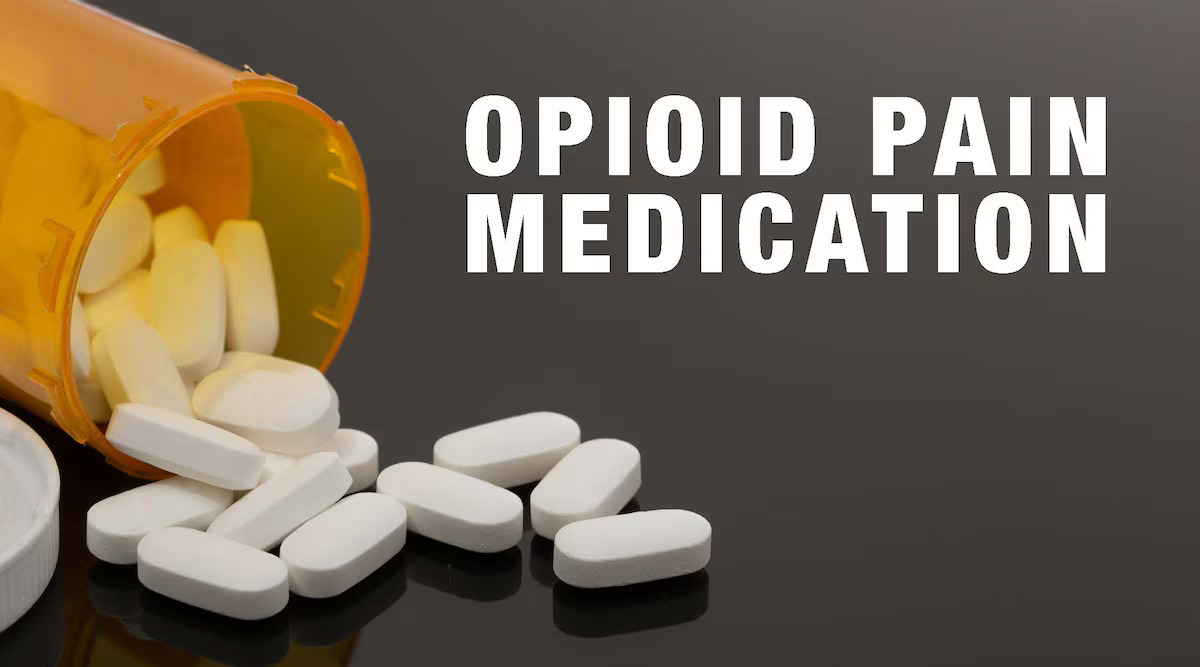
Opioids work by interacting with receptors in the brain and spinal cord. This interaction reduces how the body perceives pain, offering relief in situations where discomfort would otherwise be overwhelming.
They are typically used when:
Because of their strength, they are used carefully and usually for controlled durations.
Chronic back pain is one of the leading causes of long-term discomfort. Conditions like herniated discs, spinal stenosis, and degenerative disc disease can create continuous pain that interferes with mobility and sleep.
Symptoms include:
Treatment approach:
Initial treatment often includes physical therapy, exercise, and anti-inflammatory drugs. However, in severe cases, prescription pain medications may be used for short-term relief.
Opioids help reduce pain intensity, but they do not correct spinal damage. The underlying issue still requires medical attention or rehabilitation.
Pain after surgery can be intense, especially in major procedures such as orthopaedic or abdominal surgeries. This type of pain is usually temporary but can be severe during the recovery period.
Treatment approach:
Doctors often prescribe opioid pain relief to help patients manage discomfort in the initial days after surgery. This allows patients to rest, sleep, and participate in recovery programs like physiotherapy.
As healing progresses, the need for strong medication decreases. It is important to understand that these medications do not speed up healing—they simply make recovery more manageable.
Cancer pain is often complex and can result from tumours pressing on organs, bones, or nerves. It may also be caused by treatments such as chemotherapy or radiation therapy.
Symptoms include:
Treatment approach:
In cancer pain management, prescription pain medications are frequently used to improve quality of life. Opioids are often part of a broader treatment plan that may include other medications or therapies.
These prescription pain medications do not treat cancer itself. Their purpose is to provide comfort and reduce suffering during treatment.
Severe injuries from accidents, fractures, or burns can result in sudden and intense pain. This type of pain often requires immediate and effective relief.
Examples include:
Treatment approach:
Opioids are commonly used for short-term severe pain treatment in such cases. They help stabilize the patient and make the early stages of recovery more tolerable.
As the injury heals, healthcare providers typically reduce or discontinue opioid use. The healing process depends on proper medical care, not the medication itself.
Neuropathic pain occurs due to damage or dysfunction in the nervous system. It is often chronic and can be difficult to treat.
Symptoms include:
Treatment approach:
While prescription pain medications like antidepressants or anticonvulsants are usually preferred, opioids may be considered in severe cases where other treatments are ineffective.
Even in such situations, opioids do not repair nerve damage. They only help reduce the intensity of pain signals sent to the brain.
Patients with serious or life-limiting illnesses often experience ongoing pain that requires consistent management.
Goals of treatment:
Treatment approach:
In palliative care, opioid pain relief is widely used to manage chronic discomfort. The focus is not on curing the illness but on ensuring the patient remains as comfortable as possible.
A major misconception about strong painkillers is that they can cure the condition causing pain. In reality, prescription pain medications are designed only to manage symptoms.
They:
Instead, they change how the brain perceives pain, making it easier for patients to cope while undergoing proper treatment for the underlying issue.
This is why opioids are usually part of a comprehensive treatment plan rather than a standalone solution.
Because opioids are powerful, responsible use is essential. Misuse can lead to serious health risks, including dependence.
Key safety tips:
Proper use ensures that patients receive the benefits of pain relief while minimizing potential risks.
Today, many patients prefer the convenience of ordering medications online. When choosing to buy pain medication online, it is important to select a reliable and trusted source.
A reputable online pharmacy ensures:
At My Pill Cart, we aim to provide authentic prescription pain medications with a smooth and secure ordering process, helping patients manage pain effectively from the comfort of their homes.
Severe pain caused by conditions such as chronic back disorders, surgery, cancer, injuries, or nerve damage may require strong treatment options like opioids. These medications are an important part of modern severe pain treatment strategies.
However, they are not a cure. Prescription pain medications are meant to manage pain; not treat the underlying cause.
Understanding this difference is essential for safe and effective use. When combined with proper medical care, opioids can significantly improve comfort, mobility, and overall quality of life.
They are used to treat moderate to severe pain that cannot be controlled with basic treatments.
No, they only reduce pain perception and do not treat the underlying condition.
They are prescribed for severe pain such as post-surgical recovery, cancer-related pain, or serious injuries.
Yes, as long as you choose a trusted and verified online pharmacy.
Long-term use depends on the condition and should always be supervised by a healthcare professional.