my cart (0)
 December 31, 2025
  admin
admin  0 Comment
 Living with anxiety or emotional discomfort can feel like carrying some weight on your shoulders. It’s something that can control you at any time, affecting your daily life, your relationships, and your sense of well-being. But, fortunately, with the right strategies, tools, and support, it’s possible to manage anxiety.
Anxiety is a natural stress response, but when it becomes overwhelming, persistent, or starts interfering with your life, the reaction takes the form of a disorder. In this blog, we’ll discuss practical tips for managing anxiety, how it affects us, and where to buy treatment options like Xanax when needed.
In straightforward terms, anxiety is a feeling of worry, or an uneasy fear, often about something with an uncertain outcome. It’s normal to feel anxious about a big exam, a job interview, or a challenging situation. However, for some people, anxiety becomes an around-the-clock companion that affects their ability to relax, concentrate, or enjoy life.
Anxiety can show up in many ways, including:
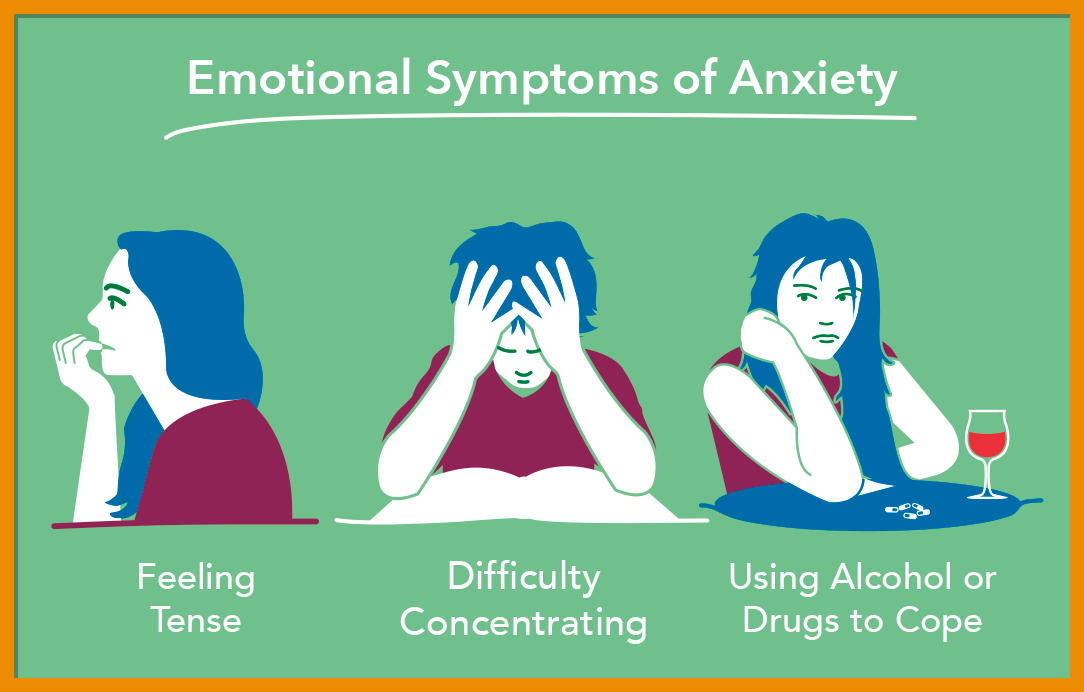
Anxiety isn’t one-size-fits-all. The condition has different types and can affect people in different ways. Some common forms of anxiety include:
Anxiety doesn’t just appear out of nowhere; it has triggers. Some common anxiety triggers include:
There are several strategies you can use to manage anxiety. Some are immediate coping techniques, while others take time to help you build resilience and feel more in control. Additionally, you can buy medications like Xanax online to get instant relief.
One of the most popular and simplest ways to reduce anxiety is through controlled breathing. When you focus on your breath, you activate your body’s relaxation response. It helps to calm your mind and body. You should try the 4-7-8 technique: inhale for 4 seconds, hold for 7 seconds, and exhale for 8 seconds. You need to repeat this for a few cycles to help reduce anxiety.
Mindfulness involves focusing on the present moment without judgment. Meditation can help train your mind to be more aware of your thoughts and feelings. It reduces the power of anxious thoughts. Many apps in the market can help you meditate better.
Physical activity is a proven way to reduce anxiety. It releases endorphins, which are natural mood-boosters. Whether it’s a short walk, yoga, or a full workout, moving your body helps to release built-up tension and stress.
Caffeine, nicotine, and other stimulants can increase feelings of anxiety. If you’re prone to anxiety, try reducing or eliminating these substances from your routine. This minor change in your lifestyle will make a significant impact for sure.
CBT is a type of talk therapy that helps you identify and challenge negative thought patterns that contribute to anxiety. It can teach you practical coping strategies to manage anxious thoughts and behaviour’s. Many people find CBT to be incredibly effective for long-term anxiety management.
For some people, anxiety becomes so severe that it’s hard to function day-to-day. In these severe cases, medication may be an option. Xanax (a type of benzodiazepine) is sometimes prescribed to help people manage anxiety in the short term. It works by calming the nervous system and providing relief from intense anxiety symptoms.
However, it’s important to remember that Xanax is generally prescribed for short-term use. It can become habit-forming if taken over long periods. Always use medications as directed by a healthcare professional. Your doctor may also recommend other medications like SSRIs (Selective Serotonin Reuptake Inhibitors) or SNRIs (Serotonin-Norepinephrine Reuptake Inhibitors) for long-term management of anxiety.
Making lifestyle changes can help support your mental health and reduce anxiety:
If the anxiety is impacting your ability to function or enjoy life, it’s essential to seek professional help. Therapy, support groups, and medication can all be helpful tools in managing anxiety. Remember, you don’t have to go through it alone.
Living with anxiety is challenging, but it’s essential to know that it’s something you can manage. By using coping techniques like mindfulness, exercise, and cognitive behavioural therapy, along with support from loved ones, you can live a fulfilling life. And for some, medication like Xanax can help in the short-term while you work on longer-term solutions.
With the proper treatment and mindset, you can take control of your anxiety and lead a happy, balanced life. Stay kind to yourself, and take one step at a time. You’ve got this!