my cart (0)
 April 2, 2026
  Bryden White
  0 Comment
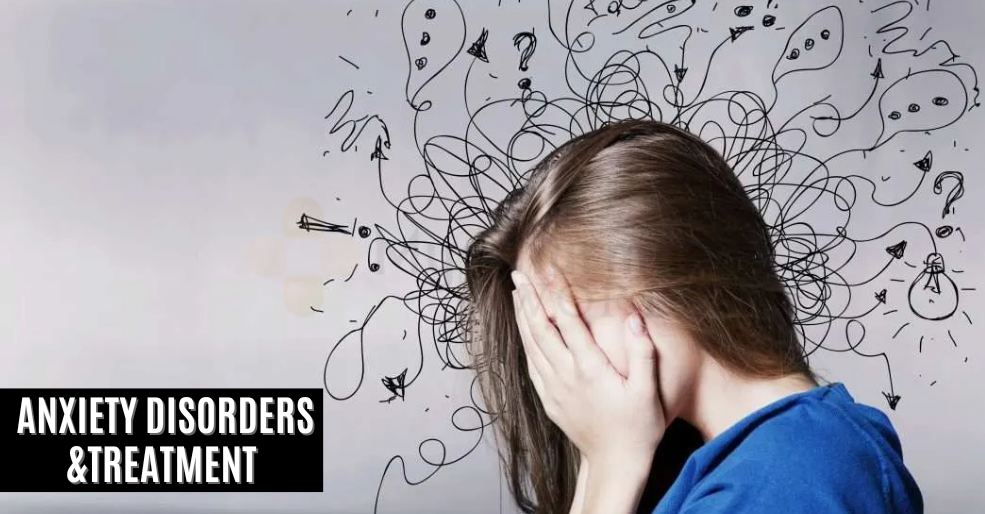
 Anxiety is a natural response to stress, but when it becomes persistent, overwhelming, and disruptive, it may indicate a deeper psychological condition. While mild anxiety can often be managed with lifestyle changes, certain disorders require medical attention and structured treatment.
Globally, anxiety disorders affect nearly 359 million people, making them one of the most common mental health conditions. Despite this, a significant number of individuals remain untreated, allowing symptoms to worsen over time.
Understanding which anxiety disorders may require medical treatment can help individuals take timely action and regain control over their mental health.
Generalized Anxiety Disorders is characterized by excessive and uncontrollable worry about everyday situations such as work, health, or finances.
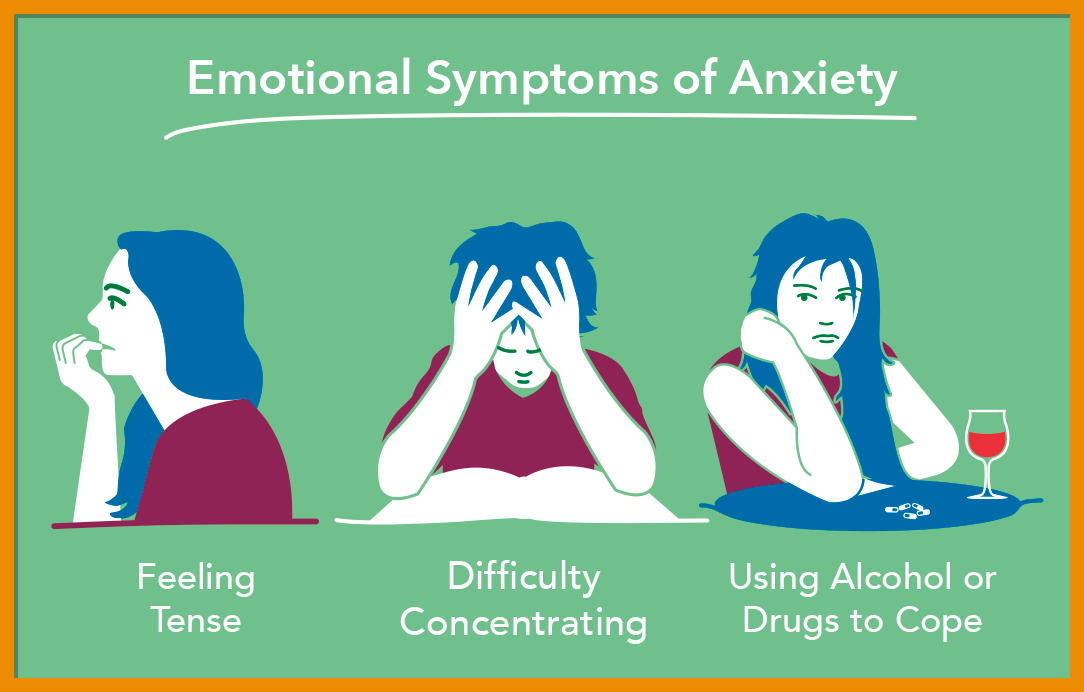
People with GAD often experience restlessness, fatigue, difficulty concentrating, and sleep disturbances. The anxiety is persistent and can interfere with daily functioning.
How to manage:
Treatment typically includes therapy, stress management techniques, and in moderate to severe cases, prescription anxiety medications.
Panic disorder involves recurring and unexpected panic attacks, often accompanied by fear of future episodes. These attacks can occur suddenly and without any clear trigger.
Studies show that panic disorder affects around 2–3% of the population annually, and without treatment, it can significantly impact quality of life.
How to manage:
Cognitive behavioural therapy (CBT) and fast-acting medications are commonly used to control symptoms.
Social anxiety disorder goes beyond shyness. It involves an intense fear of being judged, embarrassed, or negatively evaluated in social situations.
This condition can limit personal and professional growth, as individuals may avoid interactions entirely.
How to manage:
Therapy is highly effective, and in some cases, prescription medications are used to reduce symptoms and improve confidence in social settings.
OCD is marked by unwanted, intrusive thoughts (obsessions) and repetitive behaviours (compulsions) performed to reduce anxiety.
These behaviour’s can become time-consuming and interfere with normal daily activities.
How to manage:
Treatment often involves specialized therapy and medications that help regulate brain chemistry.
PTSD develops after experiencing or witnessing a traumatic event. Symptoms may include flashbacks, nightmares, severe anxiety, and emotional distress.
Triggers related to the trauma can lead to sudden panic or anxiety episodes.
How to manage:
Trauma-focused therapy and medical treatment are essential for long-term recovery.
Although commonly associated with children, separation anxiety can also affect adults. It involves excessive fear or distress when separated from loved ones.
This condition can lead to panic-like symptoms and avoidance behaviours.
How to manage:
Therapy and emotional support play a key role, with medication considered in more severe cases.
Phobias are intense and irrational fears of specific objects or situations, such as heights, flying, or enclosed spaces.
Exposure to the feared object can trigger immediate anxiety or panic attacks.
How to manage:
Gradual exposure therapy and, in some cases, prescription medications can help reduce symptoms.
Agoraphobia involves fear of situations where escape may be difficult, such as crowded places or public transport. This condition often develops alongside panic disorder.
Individuals may begin avoiding certain environments, which can severely limit their independence.
How to manage:
Treatment includes therapy, behavioural strategies, and medication when necessary.
Anxiety disorders are more than temporary stress. Research indicates that nearly 22.8% of individuals with anxiety disorders experience serious impairment, affecting their ability to function in daily life.
Without proper treatment, these conditions can worsen and lead to long-term mental and physical health challenges.
While therapy and lifestyle changes are effective for many individuals, some anxiety disorders require additional medical support. Prescription medications are often recommended when:
Medications such as Xanax (Alprazolam) are commonly prescribed for short-term relief of acute anxiety and panic symptoms. Alprazolam works by calming the nervous system, helping individuals feel more stable during intense episodes.
For those seeking convenience and privacy, many choose to buy anxiety medication online through trusted platforms. Options to buy Xanax online or order Alprazolam online are widely available, but selecting a reliable source is essential to ensure safety and authenticity.
It is important to understand that these medications help manage symptoms but do not address the root cause. Combining medication with therapy and lifestyle improvements provides the most effective long-term results.
Anxiety disorders can significantly impact quality of life, but they are manageable with the right approach. Early identification, proper treatment, and consistent support can help individuals regain control over their mental well-being.
With millions affected worldwide, raising awareness about these conditions is essential. Whether through therapy, behavioural strategies, or prescription support, effective solutions are available for those in need.